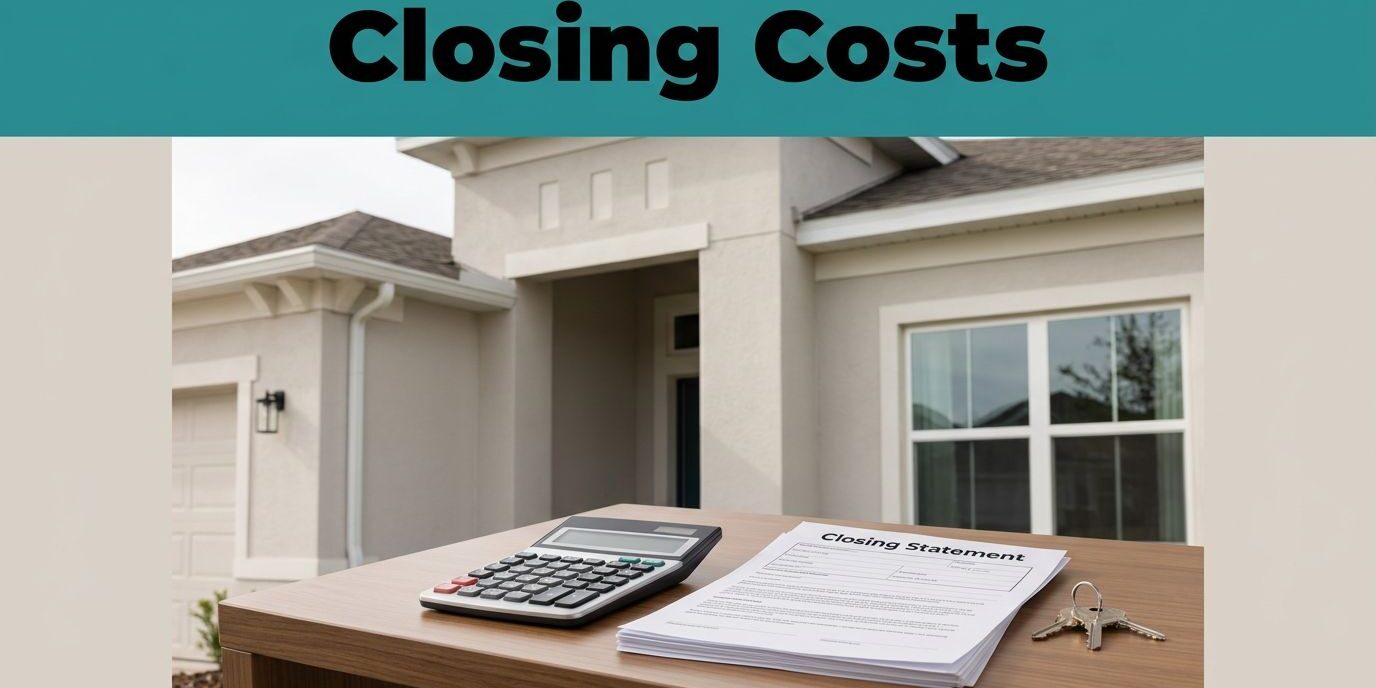
Many buyers focus entirely on the interest rate while ignoring the final receipt. When closing week finally arrives, the total amount of cash required often feels much less friendly than expected. It is essential to understand your Florida mortgage closing costs early in the process to avoid any unwelcome surprises.
In Florida, buyer closing costs in 2026 typically run between 2% and 5% of the total purchase price. I prefer using 3% to 4% of the purchase price as a realistic working range unless the file is unusually simple, because that approach leaves less room for wishful thinking.
If I am sizing up a deal, I do not just budget for the down payment. I account for the total closing costs, the actual monthly payment, and the hidden expenses that often lurk between the lines.
Key Takeaways
- Budget for Reality: Expect buyer closing costs in Florida to fall between 2% and 5% of the purchase price, though a 3% to 4% planning range is safer for avoiding unpleasant surprises.
- Beyond the Down Payment: Understand that “cash to close” is more than just your down payment; it includes lender fees, title services, government taxes, and necessary prepaid items like insurance and property tax escrows.
- Prioritize Accurate Estimates: Avoid relying on a seller’s existing tax bill or generic online calculators. Obtain real insurance quotes and calculate property taxes based on your future purchase price to ensure your monthly payment remains manageable.
- Account for Hidden Costs: Don’t forget non-loan expenses such as home inspections, surveys, and condo-specific fees, and always maintain a cash reserve after closing for immediate repairs.
What a realistic Florida closing-cost budget looks like
When I talk about Florida mortgage closing costs, I start with one simple rule: do not confuse them with cash to close. Closing costs are only one slice of the money you may need. Your down payment, prepaid items, and any lender-required reserves sit nearby, but they are not the same thing.
A lot of 2026 buyer estimates in Florida still land in that 2% to 5% range. That means the gap between what looks fine online and what you actually need in your account can get wide fast.
Here is the quick math I use before I get attached to a house:
| Purchase price | Rough buyer closing-cost range | Planning range I like |
|---|---|---|
| $300,000 | $6,000 to $15,000 | $9,000 to $12,000 |
| $400,000 | $8,000 to $20,000 | $12,000 to $16,000 |
| $450,000 | $9,000 to $22,500 | $13,500 to $18,000 |
That planning range is not law; it is a reality check.
If your property is in a higher-cost insurance area, part of a condo association, or tied to a loan with heavier escrow fees, the total can climb. If the contract gives the seller a larger share of certain fees, you may come in lighter. That is why I like a rough estimate early, then a sharper one once the property is real.
If you want a fast outside check before speaking with a lender, this Florida buyer closing cost calculator is useful. I still treat the results as a starting point, rather than the final word you will see on your official loan estimate.
What buyers are actually paying for at closing
A lot of buyers picture one mystery fee. That is not how it works. Closing costs are usually a stack of smaller charges, and each one has a specific purpose.
Lender fees are the first piece of the puzzle. These include the loan origination fee, underwriting, processing, and document preparation. You will also see an appraisal fee and a credit report charge. None of that feels exciting, but the lender is not handing out money on a handshake.
Title costs matter just as much. This process involves a title search, a settlement fee for the closing services, and the cost of both owner’s title insurance and lender’s title insurance. This work ensures the property can transfer cleanly and checks for any old claims, liens, or recording issues that could threaten your ownership.
Florida adds its own flavor to these expenses. You will encounter the documentary stamp tax, the intangible tax on your mortgage, and various county recording fees. These items are easy to overlook because buyers tend to focus on the interest rate rather than the government taxes associated with the paperwork.
Who pays for these title-related costs often shifts based on local custom and the specific terms of your contract. For instance, customs in Miami-Dade County may look very different from those in neighboring areas. I never assume my friend’s closing sheet will look like mine. This Florida closing cost overview is a decent plain-English reference for how those costs are typically split.
Then come the prepaids and escrows, which are where a lot of people get surprised. The lender may collect part of your homeowners insurance premium upfront, plus a few months of property taxes to fund your escrow account. That money is not fluff. Those bills are coming, and the lender requires them to be funded early to protect the investment.
Some buyer costs occur before the actual signing but still belong in your total budget. A professional home inspection, a property survey fee, condo application fees, and various rush charges all hit your bank account. I do not care whether the charge is technically on page two of the closing disclosure. If it empties my wallet during the purchase process, I count it toward the total budget.
The Florida charges buyers underestimate most
Florida has a habit of making a pretty estimate ugly. Homeowners insurance is the big one.
A house can look affordable until the wind premium lands. A condo can look fine until the association dues, master policy questions, or flood exposure show up. Because property taxes can shift significantly after a sale, I never assume the seller’s current tax bill will match my future tax bill.
I don’t want a pretty estimate. I want the real payment and the real cash to close.
That matters for two reasons. Higher homeowners insurance and property taxes can raise your prepaid and escrow amounts at closing, and they can increase the monthly payment enough to hurt your loan approval. A buyer can have solid credit and still lose the deal if the full housing number gets too tight. Remember that you can often negotiate seller concessions or seller credits to help offset these costs and ease your initial financial burden.
When calculating your cash to close, keep in mind that you will likely be responsible for covering prorated property taxes for the remainder of the year. Beyond these recurring costs, buyers are often surprised by state-level expenses like the documentary stamp tax, which adds a noticeable layer to your final closing statement.
Condos deserve extra caution. A nice lobby and a remodeled kitchen do not tell me whether the building is healthy. I want to know if the association is collecting enough money, whether there is deferred maintenance, and whether a special assessment is waiting in the wings. In coastal Florida, questions about roofs, balconies, concrete, water intrusion, parking structures, and master insurance deductibles can turn a routine deal into a long underwriter conversation.
Because these units require a more thorough investigation, you should expect additional costs related to a deep title search and standard recording fees to finalize the paperwork. If the building has known repair issues, the lender may ask for more documentation or stop the file entirely. That is one reason condo financing can feel heavier than buyers expect.
For a plain breakdown of common Florida customs and line items, this guide to who pays what in Florida can help. I still trust the contract and loan estimate more than any general article, but outside context helps buyers ask better questions.
Investors and new-build buyers have different math
If I am buying a rental property, I do not stop at standard closing costs. I also calculate how much cash must stay behind after the transaction is complete. Lenders call these reserves, and they require them because vacancies, repairs, and insurance spikes do not wait for a convenient time.
On many investment purchases, the lender pays close attention to the debt service coverage ratio, or DSCR. That is a simple rent-to-payment test based on your total loan amount. If the expected rent is $3,000 a month and the full housing expense, including the loan amount, principal, interest, taxes, insurance, and association dues, is $2,500, the DSCR is 1.20. That is generally acceptable, but if insurance premiums or property taxes rise, that cushion thins out quickly. To improve these numbers, many investors choose to pay discount points to buy down their rate and lower their monthly obligation.
That is why I never underwrite rentals based on listing hype. I use real rent, real association dues, real insurance, and a vacancy cushion. If the math feels tight before you reach the closing table, it usually feels much worse afterward.
New construction changes the financial picture significantly.
A construction-to-permanent loan can wrap the building phase and the long-term mortgage into one structure, which may save the cost of a second closing. That is a real benefit. However, the trade-off is a heavier file. Lenders require detailed plans, specifications, budgets, and timelines before they get comfortable. Because these deals are complex, your closing agent plays a vital role in managing the paperwork, ensuring that every detail is captured correctly, including the nonrecurring intangible tax required for Florida mortgages.
If you are going that route, it helps to review construction loans in Southwest Florida early in the process. And if you want help comparing the real numbers across various loan options, Contact Us for a free consultation.
How I budget before I call a deal affordable
Before I trust any mortgage payment estimate, I do a few boring things. Boring wins.
I start by building a realistic budget that accounts for the full purchase price of the home. I get a real insurance quote and calculate likely property taxes based on the home’s value after the sale, rather than relying on the seller’s previous tax bill. I also factor in the cost of a professional home inspection to avoid surprise repair bills. While real estate commissions are typically paid by the seller, they are still part of the overall transaction math I keep in mind when evaluating the total cost.
I also make sure to keep cash reserves left over after closing. That part gets ignored because it isn’t as fun as holding the keys, but a house does not care that I emptied the account to get inside. The first repair bill shows up when it shows up.
If I am self-employed or buying through an LLC, I get the details sorted early. This includes accounting for expenses like title insurance and the state intangible tax. The right loan program should match the way the deal actually works, not the way I wish it worked.
One more thing: I do not damage my financial file while shopping. Taking on new debt, furniture financing, or a surprise car payment can quickly change my debt-to-income ratio. If my debt-to-income ratio shifts, it can drastically impact my final loan amount and turn a workable mortgage approval into a mess fast.
Frequently Asked Questions
Are closing costs in Florida always the same?
No, they vary significantly based on the purchase price, the type of property, and local customs. Factors like whether you are buying a condo, the specific county you are in, and the complexity of your financing will all impact the final numbers on your closing disclosure.
What are ‘prepaids’ and why are they required?
Prepaids include items like your homeowners insurance premium and property tax installments that the lender collects upfront to fund your escrow account. These are not optional fees; they are required to ensure the lender has enough capital to cover upcoming tax and insurance bills, protecting their interest in the property.
Can I negotiate who pays for these costs?
Yes, you can often negotiate seller concessions or credits during the offer process to help offset your out-of-pocket expenses. However, this depends on local market conditions and the strength of your offer, so it is best to discuss these possibilities with your agent early on.
Why do condos have higher closing costs?
Condos often involve additional layers of scrutiny, such as detailed reviews of the association’s financial health, master insurance policies, and potential special assessments. This extra due diligence can lead to higher fees for title searches, document preparation, and lender compliance compared to a standard single-family home.
Final Thoughts
The interest rate often gets all the attention, but your cash to close is what truly decides whether a purchase feels solid or shaky.
When you sit down to calculate your budget, remember that the purchase price, the final loan amount, and the cost of title insurance all play a pivotal role in your bottom line. When I account for these figures alongside real taxes, accurate insurance premiums, and homeowner association dues, the math provides a clear picture of the deal. By keeping a financial cushion after closing, you ensure that your investment is stable from day one. That is the clarity I want to achieve before I sign any contract.